
ASTRONOMICAL MOON CALENDAR
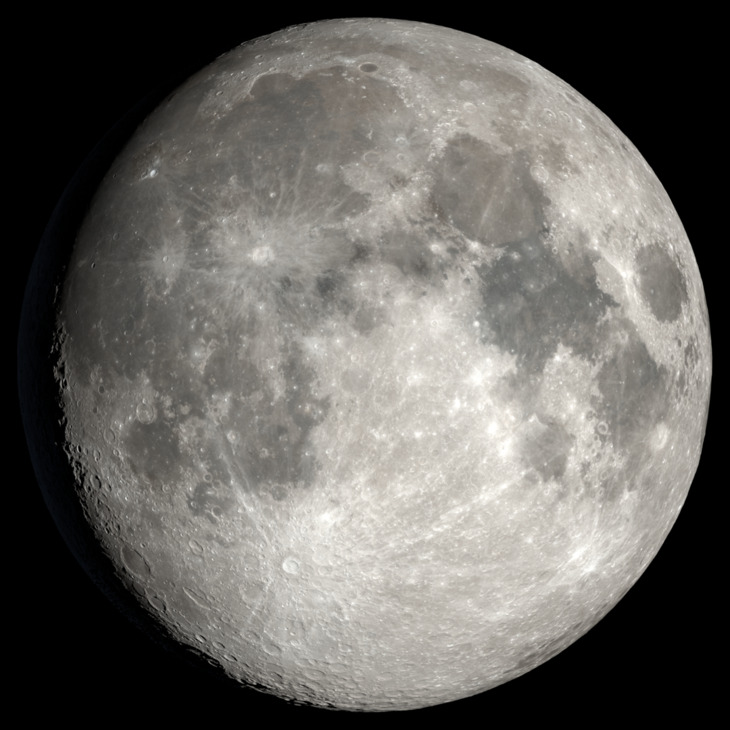
The Moon on January 1, 2026
See how the Moon was actually illuminated, discover its zodiac position, and learn to separate astronomical data from symbolic interpretation.
Waxing gibbous
94.5%
Waxing
TODAY'S SYMBOLIC READING
How to read Waxing gibbous in Gemini
It is a symbolic moment of refinement before full visibility. With the Moon in Gemini, this phase takes on a symbolically curious, flexible and communicative tone. The combination invites you to improve what works, complete the details and prepare to present the result, with particular attention to conversation, learning, comparing ideas and adaptability.
The phase: Waxing gibbous
The waxing gibbous symbolically represents preparation and refinement. The result is approaching, but still needs care, adjustment and discernment.
The sign: Moon in Gemini
The Moon in Gemini is interpreted as curious, mobile and communicative. Feelings and impressions seek words, comparison and variety.
May be useful for
- improve what works, complete the details and prepare to present the result
- conversation, learning, comparing ideas and adaptability
Watch for
- getting lost in perfectionism or changing everything when only small adjustments are needed
- distraction, information overload or superficiality
Reflection question
What needs refinement without questioning the entire path? Consider it through the theme of communication, curiosity and alternatives.
This reading belongs to astrological tradition and is offered as a reflection tool. It does not describe a scientifically demonstrated causal effect of the Moon on behavior or events.
Mon
Tue
Wed
Thu
Fri
Sat
Sun
1
94%
2
99%
3
100%
4
98%
5
94%
6
88%
7
80%
8
71%
9
61%
10
52%
11
42%
12
33%
13
24%
14
17%
15
10%
16
5%
17
2%
18
0%
19
1%
20
3%
21
7%
22
14%
23
22%
24
32%
25
42%
26
54%
27
65%
28
75%
29
85%
30
92%
31
97%
Each day is calculated at 12:00 UTC. Hover over or focus a Moon to see its Moon sign and any ingress time into the next sign.
DATA FIRST, MEANING SECOND
How to read this page without confusing astronomy and astrology
What can be calculated
Phase, illuminated percentage, waxing or waning direction, longitude and Moon sign derive from the geometry of the Sun, Moon and Earth. They are verifiable and reproducible data.
What astrology interprets
Associations between lunar phases, emotions, beginnings or endings belong to astrological tradition. They can support reflection, but do not demonstrate a causal effect.
What is the terminator?
It is the line separating day and night on the lunar surface. Near it, terrain shadows are longer, making craters and mountains appear more prominent.
Why does the Moon appear to change shape?
The Moon does not change shape. We see different portions of its illuminated hemisphere as the geometry between the Sun, Earth and Moon changes.
What does waxing mean?
It means the visible illuminated fraction increases day by day toward the full moon. Waning describes the opposite path toward the new moon.